Dave is a native Southern Californian and avid sports fan of the Dodgers, Lakers, Rams and USC Trojans. Dave is married to Jen and has identical twin boys who attend rival military academies (Jacob - Naval Academy & Joshua - West Point). Dave is on staff with Cru and ministers primarily to Young Professionals in Orange County.
Last month, Jen and I attended our Cru25 staff conference in Milwaukee. It was the first national conference for Cru staff in 3 years. It was also the first staff conference with our new president, David Robbins, at the helm.
David Robbins, Cru’s newest president, shares the vision of Cru to help the church fufill the Great Commission.
We both came away from our time refreshed and reinvigorated for a new season of ministry. My overall impression of the conference was that it felt like a reaffirmation of Cru’s original calling – to help the church fulfill the Great Commission.
We live in a culture today that is very divided, with a lot of noise politically and even within the church. For us, it was good to hear from our leaders that our mission is the same as it has been since God called Bill and Vonette Bright to start Campus Crusade for Christ nearly 75 years ago.
We’re a missions organization that seeks to take the gospel to the world and build up multiplying disciples who will commit themselves to that endeavor.
Perhaps one of the most encouraging aspects of the conference for us was seeing the many spiritual generations of influence in our own lives.
Betty Hartley in between Dave & Jen. Two of her disciples had a major influence on Jen when she was a college student. Betty is 95 and still going strong, ministering to International students at Cal State Fullerton.
One of my staff heroes is Betty Hartley, who, along with her husband Bob (now with the Lord), became believers in their adult years and made the transition to full-time missionaries in their late 30’s.
They served as the Cru directors at Cal State Fullerton for many years. While there, Betty discipled two women who were later very influential in Jen’s life.
When Jen was a freshman at Fresno State, her Bible study leader was Kim Kirouac, a staff woman who had been greatly influenced by Betty when she was a student at Cal State Fullerton.
Later, Jen transferred to San Jose State University and was discipled by another Cru staff member, Marianne Elsheimer, who also had been a student at Cal State Fullerton under Betty’s tutelage.
At 95 years old, Betty still meets with students and ministers primarily to international students at Cal State Fullerton. What an incredible legacy!
Dave & Jen with Steph Wee, a former UC Davis student who joined Cru staff and worked for many years with our Epic ministry.
The first night we were in Milwaukee, we ran into Steven and Sam. Steven is the Cru director at Sac State and Sam, his wife, was a student in our ministry at UC Davis. Sam later sent us a text thanking us for our investment in her as a student at UC Davis. She said, “I’m the missionary, wife, mom and Christian that I am today because of you guys!” That is spiritual fuel for the journey ahead!
A few nights later, we ran into Tony and Steph Wee. Tony serves as a Vice President with Cru’s FamilyLife ministry. Steph was a student and intern with us at UC Davis and served for many years with Cru’s Epic ministry. Steph remarked to her kids that Jen’s influence was a critical factor in her joining Cru staff.
Dave with Bob Britton, who was Dave’s first discipler while on a summer missions project in 1987 at Lake Tahoe. Bob is still a missionary, serving with our Bridges International student ministry at Long Beach State and USC.
The next day, while heading to the main session, I noticed a familiar figure walking across the street. It was Bob Britton, a pivotal influence in my life duringthe summer of 1987 in Lake Tahoe when I was just learning what it means to follow Jesus.
Later that day, while meandering through the conference coffee shop, I ran into Pav and Nalani who were on our Cru staff team when we were at UC Davis. For years, they have served as key support staff for all of our missionaries throughout the Middle East.
Dave, with Eric (Pav) & Nalani who was a student at UC Davis while Pav was on our staff team.
They spoke fondly of their time at UC Davis and how our influence in their lives was instrumental in helping them stay engaged in missions for the long-term.
Time doesn’t permit me to talk about Bob Otten, Nick Castelluccio, Damon Barnes and countless others we encountered, who either influenced us or gave us the privilege of playing a small part in their faith journey.
Top photo: Bob Otten was a student on our summer team to Bishkek, Kyrgyzstan in 1992. Bob and his wife Becky later joined staff and served for many years as missionaries in Central Asia. Middle Photo: Nick Castelluccio was a student in Dave’s Bible Study on the Ocean City summer project in 2000. Nick and his wife are on staff with Athletes in Action in Nashville, Tennessee. Bottom Photo: Damon Barnes was Dave’s first Bible study leader at Cal Poly, Pomona when Dave first got involved with Cru in 1987. Damon and his wife Valerie serve on staff with the Jesus Film Project.
When I think of the many people who have influenced us to walk with Jesus and pursue His great mission to reach the world, I’m overwhelmed. That He has given us the privilege of influencing others in that same way is an amazing blessing.
Young Adults crave this same kind of personal involvement – someone who will come along side their faith journey with them.
We are so grateful for your partnership, which enables us to provide this critical ministry of personal discipleship and influence to Young Adults.
1As for you, you were dead in your transgressions and sins, 2in which you used to live when you followed the ways of this world and of the ruler of the kingdom of the air, the spirit who is now at work in those who are disobedient. 3All of us also lived among them at one time, gratifying the cravings of our sinful nature and following its desires and thoughts. Like the rest, we were by nature objects of wrath. 4But because of his great love for us, God, who is rich in mercy, 5made us alive with Christ even when we were dead in transgressions—it is by grace you have been saved. 6And God raised us up with Christ and seated us with him in the heavenly realms in Christ Jesus, 7in order that in the coming ages he might show the incomparable riches of his grace, expressed in his kindness to us in Christ Jesus. 8For it is by grace you have been saved, through faith—and this not from yourselves, it is the gift of God— 9not by works, so that no one can boast. 10For we are God’s workmanship, created in Christ Jesus to do good works, which God prepared in advance for us to do. (Ephesians 2:1-10, NIV)
The Daily DAVEotional
Ephesians 2 is one of my favorite passages. If I was creating a Mount Rushmore of favorite New Testament passages (an all-time top 4 list), this passage would definitely be in contention. It is rich with theological truths that are fundamental to understanding the depth of God’s love for us as well as the means and lengths He would go to save us.
A key word in these 10 verses is “grace”, which appears 3 times.
What do you think grace is? How would you define it?
I’ve asked that question to hundreds of people over the years as I’ve engaged in spiritual conversations.
The interesting thing about grace is that it’s a word that most people have heard hundreds of times but almost always have difficulty defining.
Some people, when they hear the word “grace”, think of a dinner time prayer, like Aunt Bethany in Christmas Vacation.
Others equate grace with beauty, like a graceful dancer, or an elegantly dressed celebrity.
To be sure, those are connotations that we may think of when we hear the word, but from a biblical standpoint, “grace” means none of those things.
The theological definition of grace is “unmerited favor” or “undeserved gift”.
I would often give this example of grace when talking to students, as it was a hypothetical, yet realistic situation they could imagine experiencing.
Imagine that you’re taking a class and it’s nearing the end of the semester. You have a big research paper due and it’s worth a hefty portion of your grade. You need to do well on this paper to pass the class.
The problem is that you are nowhere near being done. As the deadline nears, you approach the professor and ask for an extension.
Now would it be unfair if the professor were to decline your request? Would that be unjust?
No. The guidelines and deadlines were clearly communicated. You had ample opportunity to work on the paper and get it done. The professor would not be mean or unjust if he or she were to simply deny your request and tell you that any late papers would be severely penalized.
That is what the Bible calls justice – getting what you deserve. In this passage, what we deserve is God’s wrath. Paul says that we “followed the ways of the world”… “gratifying the craving of our sinful nature and following its desires and thoughts.” As a result, we were objects of God’s wrath, which simply means we were destined to be punished.
God would be perfectly just to give us what we deserve. That’s what justice is – getting what we deserve.
Your professor would also be just to say no to your request and give you exactly what you deserve.
But suppose your professor honors your request and decides to give you a one week extension with no late penalties – a “grace” period.
Your professor is not obligated to give you an extension but if he or she did, it would be an example of extending grace. Your professor is giving you something you don’t deserve – the gift of extra time. You didn’t earn an extension. You don’t deserve an extension. You receive the extension simply because your professor chooses to give it to you.
This is the situation with us and God. We don’t deserve to be saved. We did nothing to earn God’s favor. God is not obligated to save us, and yet, He chooses to extend grace to us. What that means is that we don’t get what we deserve, which is punishment. Instead, we get what we DON’T deserve – the gift of salvation.
Why would God choose to extend grace? Why would he not just punish us since that is what we deserve?
Verse 4 gives us the answer:
But because of his great love for us, God, who is rich in mercy, 5made us alive with Christ even when we were dead in transgressions—it is by grace you have been saved.
God chooses to save us because of His great love for us and the depth of His mercy.
What is mercy?
Mercy is NOT getting something you deserve.
Doctrinal Dictionary
Justice – getting what you deserve (punishment)
Mercy – Not getting something we deserve (as in avoiding punishment)
Grace – Getting something we don’t deserve (as in favor or blessing)
We deserve punishment but because of God’s love for us, he takes pity on us and desires to make a way so that we don’t have to experience the punishment we deserve.
As a result, God extends grace by sending His son to die in our place so that God’s justice would be satisfied and we could avoid experiencing His wrath.
Verses 8 and 9 are often quoted, as they summarize the essence of the gospel message:
8For it is by grace you have been saved, through faith—and this not from yourselves, it is the gift of God— 9not by works, so that no one can boast.
God gives us a gift we don’t deserve – He saves us. This is grace: getting something we don’t deserve. We didn’t earn this gift. It is freely given by God. Hence, we cannot boast in our salvation because we did nothing to get it. Yet God did everything to give it.
Verse 10 is often neglected but is important to understanding God’s motive and the ultimate outcome He desires of our lives:
For we are God’s workmanship, created in Christ Jesus to do good works, which God prepared in advance for us to do.
Some Bible versions, like the NLT, translate this verse to say that “we are God’s masterpiece.”
Think about that for a minute. God saves us because we are a masterpiece in His eyes. His desire is that we would be transformed into a physical work of art and that our lives would be a living testament to the depth of His love, the richness of His mercy and the boundlessness of His grace!
Did you enjoy this post? I’d love to hear your thoughts! Feel free to like, leave a comment below, and share it with your friends or on social media if you found it helpful or interesting. Your support keeps the conversation going!
Reflection
What has been your definition of grace before reading this post? How did you tend to think of it and define it?
What are some examples of when you experienced grace from another person – a gift that you didn’t deserve?
How would you explain to someone else the difference between justice, mercy and grace?
God says that you are his masterpiece, created for good works in Christ Jesus. What do you think it would look like if you really understood and believed that God sees you as his masterpiece? How would it change your life and your view of yourself?
What are the barriers or roadblocks that make it difficult for you to see yourself as God’s masterpiece?
1My little children, I am writing these things to you so that you may not sin. And if anyone sins, we have an Advocate with the Father, Jesus Christ the righteous; 2and He Himself is the propitiation for our sins; and not for ours only, but also for those of the whole world.
(1 John 2:1-2, NASB)
The Daily DAVEotional
In the first chapter of John’s first epistle, he shared a number of important principles regarding sin and experiencing fellowship with God. I wrote about that in my blog post, “Walking in the Light Simplified”.
Immediately following that passage, John says that our aim as believers should be to avoid sinning. But we also know that in our fallen humanity, we will inevitably still sin. In the first chapter, he outlined the importance of confessing our sin in order to maintain fellowship with God.
In this section, John stresses the fact that when we do sin (and we WILL sin) we have an Advocate in the person of Jesus Christ.
The picture here is of a defense attorney who pleads our case before the judge, the Father.
Jesus is uniquely qualified to be our advocate because He alone is the propitiation for the sins of the whole world.
What exactly does that mean?
If you’re unfamiliar with the word “propitiation”, it may be because the NIV and NLT, two of the most popular translations used today, don’t include this word in their translation of this passage. Instead, these versions translate the passage to say that Jesus is “the atoning sacrifice for our sins.”
It’s certainly true that Jesus is the atoning sacrifice for the sins of the world, but there’s an element of truth that John is communicating that is missed as a result of omitting the word “propitiation” from the translation.
The word “propitiation” means to appease wrath. The idea is that God is so just and holy, that sin is an infinite offense against God’s character. God’s righteous anger demands that sin be punished.
When it says that Jesus is the propitiation for sin, what it means is that Jesus, through His death on the cross, satisfied the payment that was required for sin. Hence, God’s wrath is appeased or satisfied.
Jesus is more than an atoning sacrifice for sins. He is the propitiation for sin. His death not only atones for sin, but it turns away God’s wrath so that no more punishment is required.
The Greek word for propitiation is “hilasterion” which is the same word for the Old Testament Hebrew word “mercy seat”.
The mercy seat was the cover of the Ark of the Covenant and was the place where the yearly blood sacrifice was made by the high priest. This sacrifice occurred only once a year in the Holy of Holies. On either side of the lid (or mercy seat) were two cherubim (angelic beings). They were facing each other and looked down at the lid.
Inside the ark were placed three significant artifacts: manna, representing the Jewish people’s rejection of God’s provision; Aaron’s rod, which represented man’s rejection of God’s leadership; and the broken pieces of the Ten Commandments, representing man’s rejection of God’s holiness.
When the cherub of Righteousness looked down on the symbols in the ark, it saw all the evidences of man’s rejection of God. When the cherub of Justice looked down, it saw that man was no longer like God’s righteousness and pronounced the death penalty on man. But on the Day of Atonement, the cherub of Justice looked down at the blood sacrifice covering on the lid and said, “I’m satisfied because the death penalty has been paid.” Similarly, Righteousness looked down and was no longer offended because the evidence of man’s sin was covered up and could not be seen.
Jesus’ death on the cross transforms the judgment seat, representing the judgment and punishment we deserve, into a mercy seat, representing the fact that His shed blood through His death on the cross, provides a covering for our sin. Atonement is made, once and for all, and therefore, there is no longer any punishment reserved for those who have placed their trust in Jesus.
Did you enjoy this post? I’d love to hear your thoughts! Feel free to like, leave a comment below, and share it with your friends or on social media if you found it helpful or interesting. Your support keeps the conversation going!
Reflection
What difference does it make to know that Jesus’ death and shed blood has appeased God’s wrath towards your sin?
What is your view and understanding of the holiness of God? Does it seem appropriate to you that God, in His infinite justice, must punish sin? Why or why not?
Is the lid of the ark of the covenant a judgment seat or a mercy seat for you? What is keeping you from putting your full trust in Jesus to cover your sins so that you experience God’s mercy instead of justice?
Photo of Ark of Covenant provided from the following website under Creative Commons License 4.0
21Listen to me, you who want to live under the law. Do you know what the law really says? 22The Scriptures say that Abraham had two sons, one from his slave-wife and one from his freeborn wife. 23The son of the slave-wife was born in a human attempt to bring about the fulfillment of God’s promise. But the son of the freeborn wife was born as God’s own fulfillment of his promise.
24Now these two women serve as an illustration of God’s two covenants. Hagar, the slave-wife, represents Mount Sinai where people first became enslaved to the law. 25And now Jerusalem is just like Mount Sinai in Arabia, because she and her children live in slavery. 26But Sarah, the free woman, represents the heavenly Jerusalem. And she is our mother. 27That is what Isaiah meant when he prophesied,
“Rejoice, O childless woman!
Break forth into loud and joyful song,
even though you never gave birth to a child.
For the woman who could bear no children
now has more than all the other women!”
28And you, dear brothers and sisters, are children of the promise, just like Isaac. 29And we who are born of the Holy Spirit are persecuted by those who want us to keep the law, just as Isaac, the child of promise, was persecuted by Ishmael, the son of the slave-wife.
30But what do the Scriptures say about that? “Get rid of the slave and her son, for the son of the slave woman will not share the family inheritance with the free woman’s son.” 31So, dear brothers and sisters, we are not children of the slave woman, obligated to the law. We are children of the free woman, acceptable to God because of our faith.
(Galatians 4:21-31, NLT)
The Daily DAVEotional
What do you think is required to get into heaven? How does God decide?
I’ve asked this question thousands of times as I’ve shared the message of Christ with people over the years.
What I’ve found is that people overwhelmingly think that getting into heaven when you die is a matter of being a “good” person. The prevailing view is that God will evaluate us based on what we’ve done and how we’ve lived our life. In other words, our HUMAN EFFORT.
I think that one aspect of our sinful nature is that we intrinsically want to make our eternal destiny about us. We become the central figures in our own story instead of God being the central figure as He should be.
This was the issue in the Galatian church. They started off strong, believing the message of the gospel that Paul preached and trusting in Jesus to pay for their sins, provide forgiveness and ultimately, eternal life.
But something happened along the way. Very quickly after placing their faith in Christ, these Galatian believers reverted back to their old way of life which emphasized adherence and obedience to the Law.
Paul is so surprised by their sudden spiritual shift that he asks them “who bewitched you?” I wrote about this previously in my post entitled, “I Put a Spell on You” and also, my post entitled, “Have you been Scammed?”
Paul tells the Galatians that if you want to live under the law, you’re voluntarily making yourself a slave again, which makes no sense.
He then gives an illustration from the Old Testament regarding Abraham and his two sons, Ishmael and Isaac, whose births are recorded in Genesis 16 and 21 respectively.
You may recall that Abraham was given a promise by God that he would be made into a great nation, through whom all the nations would be blessed.
This promise to Abraham was given in Genesis 12, was reaffirmed in Genesis 15 and is commonly referred to as the Abrahamic Covenant.
There was only one problem. Abraham didn’t have any children and he and Sarah were both getting very advanced in age. From a human perspective, it was difficult to see how this promise could come to be as Abraham had no heir.
So in their haste to bring about God’s promise, Sarah concocted a plan that would give Abraham an heir. She allowed Abraham to sleep with her servant Hagar, who conceived and bore him his first son, Ishmael.
Though this seemed like a reasonable course that would ensure the preservation of Abraham’s family line, it actually bypassed God’s promise, which was not only to Abraham but to Sarah as well.
So Ishmael was indeed Abraham’s son but he was not the son through whom God would deliver His promise to make Abraham into a great nation. This is because Ishmael was not Sarah’s son, he was the son born of a slave woman.
Paul’s point in this passage is that Abraham’s two sons represent two different approaches to receiving God’s promise. Ishmael was born out of Abraham and Sarah’s human effort to bring about God’s promise by creating a scenario where Abraham would have an heir.
Isaac, on the other hand, was born out of God’s sovereign and divine intervention which provided an heir to Abraham AND Sarah.
So Ishmael represents human effort to bring about God’s promise, whereas Isaac represents God’s promise being delivered solely by His divine power.
Paul says that Ishmael represents Mount Sinai while Isaac represents the New Jerusalem.
What exactly does that mean?
Remember that Mount Sinai was where Moses met God and received the Law. It was this divine encounter that instituted the Mosaic Law by which every Jew from Moses onward lived their life.
The Law represented a covenant that emphasized human effort to live righteously, according to God’s explicit standards. There were lots of rules and regulations and various processes for receiving forgiveness and atonement. The law demonstrated that man was sinful and wholly incapable of living up to God’s perfect standard.
Isaac, on the other hand, represents the heavenly Jerusalem. This is not an earthly city but a heavenly reality. Isaac, who was born from Abraham and Sarah well beyond their child-bearing years, was conceived and born completely because God Himself brought it about. His birth was not brought about through human effort but via God’s divine intervention.
In the same way, coming to Christ, receiving forgiveness and eternal life, is completely a work of God. There is no human effort involved. Those who accept Jesus become a part of God’s heavenly family with the promise of living forever with him in a heavenly Jerusalem. Isaac represents this group because just as he was born as a result of God’s divine provision, those of us who belong to God’s family were born into that family only because of what God has done, not because of anything we have done.
Ishmael was born of a slave-woman and he represents those who want to live under the law, which is a system of slavery.
Isaac was born of a free-woman and he represents those who want to live in freedom from slavery.
Given these two choices, Paul wonders why anyone would consciously and purposefully decide to go back to a system that enslaves them. It is better to remain free.
The reality is that many Christians do exactly what the Galatians were doing. After accepting Christ, receiving forgiveness and entering into a new relationship with God as His adopted child. we resort to living our lives under some impossible religious standard that essentially enslaves us.
We have a choice when it comes to how we approach God’s promise of eternal life. We can do what Sarah and Abraham did and seek to make our own path by our human efforts. This is the Ishmael approach which leads to being enslaved to a religious system.
The alternative is the Isaac approach, which is simply placing our trust in God to provide His promise providentially. This approach leads to freedom because it’s not based on our performance but on God’s power to deliver on His promise.
Which choice are you currently making?
Did you enjoy this post? I’d love to hear your thoughts! Feel free to like, leave a comment below, and share it with your friends or on social media if you found it helpful or interesting. Your support keeps the conversation going!
Reflection
Paul says that those who have “faith” are acceptable to God. Have you placed your faith in Jesus to pay for your sin and give you eternal life? If so, what were the circumstances that led to that decision?
Any Christian who has placed their faith in Jesus can revert to a rules-based religious lifestyle, just as the Galatians did. In what ways do you tend to live by rules and religion instead of faith?
Why do you think so many people choose to live in slavery instead of freedom? What are some of the reasons in your opinion?
What are some common ways you see Christians living in legalism and rules-based Christianity?
What are some things you can do to keep you from straying or drifting into a rules-based religious system?
1Now we know that if the earthly tent we live in is destroyed, we have a building from God, an eternal house in heaven, not built by human hands. 2Meanwhile we groan, longing to be clothed with our heavenly dwelling, 3because when we are clothed, we will not be found naked. 4For while we are in this tent, we groan and are burdened, because we do not wish to be unclothed but to be clothed with our heavenly dwelling, so that what is mortal may be swallowed up by life. 5Now it is God who has made us for this very purpose and has given us the Spirit as a deposit, guaranteeing what is to come.
6Therefore we are always confident and know that as long as we are at home in the body we are away from the Lord. 7We live by faith, not by sight. 8We are confident, I say, and would prefer to be away from the body and at home with the Lord. 9So we make it our goal to please him, whether we are at home in the body or away from it. 10For we must all appear before the judgment seat of Christ, that each one may receive what is due him for the things done while in the body, whether good or bad. (2 Corinthians 5:1-10, NIV)
The Daily DAVEotional
In this section of Paul’s second letter to the church at Corinth, he gives some theological perspective on what comes after this life.
Some people have the idea that when we die, we will just be spirits floating about from cloud to cloud, with our harps no doubt.
But this is not the picture Paul gives of the afterlife.
Paul compares our earthly bodies to a tent.
Why would he do that?
There is some imagery here that would have been obvious to Paul’s audience but may be more confusing to the modern reader.
People in ancient times often lived in tents – temporary structures that suited a nomadic lifestyle. In addition, the tabernacle, which is another word for “tent”, was the temporary structure in the Old Testament that signified the dwelling place of the Lord up until the more permanent temple was built.
When Paul says that our earthly bodies are like a tent, he means that our earthly bodies are temporary because our lives are temporary. While we are living in this life, we have mortal bodies that enable us to do things, like walk, talk, eat, work, play, think, etc. But our mortal bodies are temporary. They don’t last forever.
Paul says that while we are living in this life we are “away” from the Lord’s presence. He doesn’t mean that we have no access to the Lord in this life. He simply means that even if we are Christians, walking in the power of the Holy Spirit, engaged and active in pursuing God, we are never fully present with the Lord because we are not yet in heaven.
But something amazing will happen to us when we die. We will be given NEW bodies! That is great news for a lot of us whose bodies are beginning to fail us in numerous ways.
Given these facts, Paul says that his preference would be to be “away” from this body because that means he would be with the Lord.
But the reality for Paul was that he was still in his mortal body. He was living on this earth, which means he was not present with the Lord in heaven yet. That being the case, the goal is always to please the Lord in whatever we do.
The reason why Paul says we should make this our goal is because we all are going to appear before the judgement seat of Christ to give an account of our lives.
The idea that Christians will be judged may be confusing to some, especially since Scripture teaches that those who place their faith in Christ’s finished work on the cross are completely forgiven (Colossians 1:13-14) and there is no condemnation for those who are in Christ (Romans 8:1).
So what is this judgment that Paul is talking about?
The judgment that Paul is talking about here is a different kind of judgment. The Bible is clear that those who have placed their faith in Christ are saved. They will experience eternity with God in heaven.
But Christians will also give an account of how they’ve served Christ and how they have managed the resources God has entrusted to them.
The word for “judgment” in verse 10 is the greek word “Bema” (pronounced “bay-muh”). It represented a platform or an elevated seat from which an official would render an important decision.
In this context, Paul is saying that there is going to be a day when everyone, Christians included, will appear before the Lord and our lives will be evaluated. This “judgment” doesn’t determine whether we will make it into heaven or not; that has already been decided at the cross. This judgment will evaluate how we’ve lived our lives as Christians and how we have stewarded the resources (time, talent, treasure) that God has entrusted to us.
In this evaluation, those things that we have done that have glorified Jesus and advanced His kingdom purposes will be rewarded. We will receive no rewards for the things that have not been worthwhile to the cause of Christ.
It’s important to emphasize that this judgment does not include punishment. Christians will either be rewarded or they will not be rewarded.
One might ask, “if there’s no punishment, why should I care?”
Scripture is clear that on that day, those whose lives have not been stewarded well for God’s purposes – those who have not lived their lives in such a way that God was glorified – will experience extreme regret.
Jesus spoke of this accounting in Matthew 25:14 with the parable of the talents. The point of this parable is that God has given us talents, abilities and resources (money and material possessions) to manage on His behalf. The judgment Paul speaks about in 2 Corinthians 5:10 is a judgment where our lives will be evaluated based on how we have stewarded those resources. How well have we served Christ? Did we make our life count for His kingdom and His purposes?
Though we don’t know exactly what that day will look like, we know it’s coming and therefore, we should prepare ourselves.
Pastor Pete Briscoe has developed a dramatic presentation that depicts what that day could look like for someone. It’s a powerful monologue that is designed to move the believer to reflect on how they’ve lived their life and perhaps think about making changes in light of that day!
Did you enjoy this post? I’d love to hear your thoughts! Feel free to like, leave a comment below, and share it with your friends or on social media if you found it helpful or interesting. Your support keeps the conversation going!
Reflection
Were you aware that Christians will be judged and give an account of how they’ve lived their life for Christ?
What thoughts and emotions do you have when you think about appearing before Christ and having your actions evaluated in light of His commands and His purposes?
What changes do you think you need to make in your life to better ensure that God will say to you “well done good and faithful servant”?
What challenges do you face when you think about living your life completely for the Lord?
1The LORD gave me another message. He said, 2“Go and shout in Jerusalem’s streets: ‘This is what the LORD says: I remember how eager you were to please me as a young bride long ago, how you loved me and followed me even through the barren wilderness. 3In those days Israel was holy to the LORD, the first of my children. All who harmed my people were considered guilty, and disaster fell upon them. I, the LORD, have spoken!’”
4Listen to the word of the LORD, people of Jacob—all you families of Israel! 5This is what the LORD says: “What sin did your ancestors find in me that led them to stray so far? They worshiped foolish idols, only to become foolish themselves. 6They did not ask, ‘Where is the LORD who brought us safely out of Egypt and led us through the barren wilderness—a land of deserts and pits, of drought and death, where no one lives or even travels?’
7“And when I brought you into a fruitful land to enjoy its bounty and goodness, you defiled my land and corrupted the inheritance I had promised you. 8The priests did not ask, ‘Where is the LORD?’ The judges ignored me, the rulers turned against me, and the prophets spoke in the name of Baal, wasting their time on nonsense. 9Therefore, I will bring my case against you and will keep on accusing you, even against your children’s children in the years to come. I, the LORD, have spoken!
10“Go west to the land of Cyprus; go east to the land of Kedar. Think about what you see there. See if anyone has ever heard of anything as strange as this. 11Has any nation ever exchanged its gods for another god, even though its gods are nothing? Yet my people have exchanged their glorious God for worthless idols! 12The heavens are shocked at such a thing and shrink back in horror and dismay, says the LORD. 13For my people have done two evil things: They have forsaken me—the fountain of living water. And they have dug for themselves cracked cisterns that can hold no water at all! (Jeremiah 2:1-13, NLT)
The Daily DAVEotional
Jeremiah was a prophet of Judah who prophesied from about 627 B.C. to 587 B.C. He is known as the “weeping prophet” because he expressed deep sorrow in his writings over the sins of his people toward God.
You may remember that the Jewish nation was divided in two after Solomon’s reign. The northern kingdom, known as Israel in the Old Testament historical books, was conquered by the Assyrians in about 722 B.C. and many of it’s inhabitants were exiled.
The southern kingdom was known as Judah. This was the royal line of David and Solomon. The southern kingdom was invaded by Babylon in 605 BC at which time they became a vassal state, though the kings of Judah continued to resist Babylonian control. It was during this period that Jeremiah prophesied to the kings of Judah with a message that they should concede to Babylonian rule as their punishment for their continued sins of rebellion and rejection of God.
And just what did they do to sin against and reject God? Verse 11 demonstrates that the major sin was that they exchanged their allegiance to the one true God, the God who delivered them from the Egyptians and brought them into the promised land, for “worthless gods” who are “nothing.”
God’s people were guilty of idol worship. This was a recurring issue with God’s people that happened over, and over and over again. They were constantly forsaking God in order to worship idols in the form of regional gods of the people they had displaced as well as the gods of people who lived in proximity to them.
I’ve written many times about the problem of idol worship within the Israelite communities, including here, and here.
Jeremiah gives an illustration to demonstrate just how foolish the people of Judah had been. In verse 13, he states,
For my people have done two evil things: They have forsaken me—the fountain of living water. And they have dug for themselves cracked cisterns that can hold no water at all!
The climate in Israel was hot and arid and they depended on rainfall for drinking water and the development of their crops.
A cistern was used as a way of collecting water during the rainy season to use later when it was dry.
A cistern is not a well. It’s more like an underground storage tank. While there were different methods for constructing a cistern, a common cistern was a masonry cistern which allowed for more versatility in terms of the shape and size of the storage area.
Basically a large cavity or hole was unearthed and then quarried stones or bricks were used with mortar to create the structure – the walls and the floor. The structure was then sealed with plaster to prevent leaks.
So now that you know what a cistern is, let’s look at what the charge is against God’s people.
God says HIs people have rejected Him, the fountain of living water.
This right here is key. It’s easy to overlook the importance of water to the people in ancient Israel. Water represents life. You cannot live without water. You will die of thirst or of starvation if there is no water to drink and grow your crops.
In our modern society, we just go into the bathroom or kitchen and we turn on the faucet, and out comes the water – as much as we want. Most of us haven’t had to think at all about where our water will come from for that day.
But in the Ancient Near East, water was vital, and thinking about water was paramount. Water had to be retrieved on a daily basis for life’s needs – whether it was for drinking, cooking, cleaning or growing crops.
Retrieving water was not as easy as turning on a faucet and streaming water out of a hose into a bucket or cooking pot. One had to walk to wherever the well was located or wherever there was a cistern. Water had to painstakingly be lifted up out of the well or cistern. If you did happen to live near a river, you would have to walk to retrieve it and whatever you retrieved you’d have to carry back. The larger the bucket, the heavier the load. The smaller the bucket, the more times you had to visit the water source to retrieve the amount of water you needed.
To us, we can easily take water for granted. In that culture, nobody took water for granted. It was everything.
God says that He is like a fountain of living water. Since water is essential for life, God is saying that He is like a fountain of life. He is the one who sustains life.
Instead of coming to this source of pure living water, God’s people have chosen to retrieve their water from cisterns that are cracked. A cracked cistern not only would leak its water, which made for an unreliable source, but it would also allow earth sediment to leak in via the cracks so that whatever water remained would be dirty and impure.
This is what we tend to do as humans. On the one hand, there exists a fountain of pure water that never runs dry. On the other hand, there’s a cracked cistern that may have some water in it. It’s unreliable because it leaks. If there is water in it, it’s dirty and stagnant.
Now imagine you’re really thirsty. From which source do you choose to retrieve water to satisfy your thirst?
You’d think that we would choose the fountain of pure living water every time. But we don’t. We consistently choose cheap substitutes that we think will give us life but ultimately, doesn’t quench our thirst.
The Israelites were constantly worshiping false gods and idols that they created out of wood, stone and various metals. These idols could not save them, nor could they protect them, nor could they provide for them. Only God could do that.
We may not be carving idols out of wood, clay, stone and metal and then worshiping them. But we do make this same exchange that Jeremiah warns about. Anything in our life that we turn to in order to provide for us can be an idol.
What is it that you have exchanged for God in your life? What is it that you turn to in order to provide joy, happiness or contentment? Where do you go when you’re sad, anxious or lonely? If you don’t turn to God and trust Him for these things, it’s possible that you are settling for a cheap substitute that cannot quench your real thirst or satisfy your deepest need. Only God can do that.
Did you enjoy this post? I’d love to hear your thoughts! Feel free to like, leave a comment below, and share it with your friends or on social media if you found it helpful or interesting. Your support keeps the conversation going!
Reflection
How do you see people in today’s culture forsaking God? What does forsaking God look like today?
What are some typical things people today tend to turn to for fulfillment, joy and satisfaction in life?
What would you say is your deepest need? How can God help you meet that need?
How can you safeguard your life to ensure you don’t exchange God for some cheap substitute that cannot ultimately provide for your deepest needs?
Most people believe in an afterlife, such as the Christian concept of heaven. But, assuming heaven exists, how does one get there?
In my thousands of conversations with people, I’ve found that people overwhelmingly believe that if they were to die, they would make it into heaven. However, when asked the question,
What is God’s criteria for deciding who makes it into heaven?
Most people I’ve conversed with don’t know.
To me, that’s a bit like studying for a final exam without having any idea what is going to be on the exam.
The Bible tells us that God’s plan from the beginning was that we would know Him and experience life in His presence. Man freely interacted with God and it was good.
Genesis 1:29-31 gives a picture of God’s initial creation:
27So God created man in his own image,
in the image of God he created him;
male and female he created them. 28God blessed them and said to them, “Be fruitful and increase in number; fill the earth and subdue it. Rule over the fish of the sea and the birds of the air and over every living creature that moves on the ground.” 29Then God said, “I give you every seed-bearing plant on the face of the whole earth and every tree that has fruit with seed in it. They will be yours for food. 30And to all the beasts of the earth and all the birds of the air and all the creatures that move on the ground—everything that has the breath of life in it—I give every green plant for food.” And it was so. 31God saw all that he had made, and it was very good.
POINT 1: GOD’S PLAN
GOD LOVES YOU AND CREATED YOU FOR A PURPOSE
God’s Love
The Bible is clear that one of God’s attributes is love.
1 John 4:8-9 says:
Whoever does not love does not know God, because God is love. This is how God showed his love among us: He sent his one and only Son into the world that we might live through him.
God demonstrated His love by sending His Son Jesus into the world to ultimately die on our behalf.
God’s Purpose
In John 10:10 (NLT), Jesus gives a glimpse into his purpose. He said:
The thief’s purpose is to steal and kill and destroy. My purpose is to give life in all its fullness.
Jesus came so that we might experience life in all its fullness – that we would begin to fulfill the purpose for which we’ve been created, which is to know Him and experience His presence in our lives.
REFLECT What do you think it means to experience life in all its fulness? What would that look like?
“Fullness of Life” Expanded
Here’s another way to think about it. When Jesus says that His purpose is to give “life” in all its fulness, He’s talking about giving eternal life.
In John 17:3 (NIV), Jesus said this:
Now this is eternal life: that they may know you, the only true God, and Jesus Christ, whom you have sent.
Jesus defines eternal life as knowing God – experiencing a relationship with Him. Therefore, when Jesus says His purpose to give life in all its fullness, what He’s saying is that He has come to offer people a relationship with Him (life) and He wants people to experience that relationship to the fullest extent possible.
REFLECT Why do you think people are not experiencing life in all its fullness? What keeps them from knowing God?
POINT 2: OUR PROBLEM
WE’VE REBELLED AGAINST GOD AND ARE THEREFORE SEPARATED FROM HIM. AS A RESULT, WE CANNOT EXPERIENCE HIS PURPOSE FOR OUR LIVES, WHICH IS TO KNOW HIM.
The Fall – the Original Rebellion
According the Bible, God’s good creation was distorted when man disobeyed God and was exiled from God’s presence. Genesis 3 tells the story of the fall of mankind (Read Genesis 3).
Adam and Eve freely interacted with God, who had given them free reign over the entire garden. They took care of it and they were given every seed-bearing plant for their food. However, there was one tree they were forbidden from eating – the fruit from the tree of the knowledge of good and evil.
Adam and Eve were deceived by the serpent (Satan) to eat this forbidden fruit. Because of their disobedience, God banished them from the garden.
Have you ever wondered why God forbade Adam and Eve from eating from that one particular tree? Was it random? Or was there a reason why that specific tree was off limits. Read this article (Why Did God Forbid this One Fruit?) to understand why this particular tree was off limits.
The rest of the Bible is the story of God’s plan to restore man’s relationship with Him and to reverse the curse that was inflicted upon creation as a result of this original sin.
The Results of Sin
It’s at this point that one might argue that we should not be punished for Adam and Eve’s rebellion. But the Bible is clear that EVERYONE has sinned against God.
Romans 3:23 says:
For all have sinned; all fall short of God’s glorious standard. (NLT) [Emphasis added]
But I’m a Good Person
In my experience, I’ve found that most people tend to think of themselves as “good”.
In our society goodness and badness are relative terms that are used in comparison to other people. I’ve found that most people consider themselves to be good because they compare themselves to others who, in their mind, have done more egregious and heinous acts. But comparing ourselves to other people is using the wrong standard of comparison.
The Bible says that only God is truly good. What this means is that God’s standard for goodness is perfect holiness and by this standard, He is the only one who is truly good.
Notice the diagram to the right. God is holy and man is sinful and there’s a great chasm that separates man from God. The arrows illustrate that man continually tries to reach God through various efforts, such as religion, good works, etc. But all of these efforts ultimately fall short because God is perfectly holy, and there is no amount of good works that will enable man to achieve God’s standard of perfection.
REFLECT How does your definition of goodness compare or contrast with what the Bible says about goodness?
What is Sin?
The word “sin” is one of those churchy, religious words that many people associate with behaviors that others don’t approve of but we think is no big deal. For example, you may see nothing wrong with drinking while some “uptight, religious people” think drinking is a “sin”.
REFLECT How do you define sin? What do you think sin is?
Sin not just a list of immoral or socially unacceptable behaviors. When Romans 3:23 says that “all have sinned”, the Greek word for sin is actually an archery term.
In a competition, the archer would shoot the arrow and the goal was to hit the bullseye on the target. If the archer missed the bullseye, even if it was only by a fraction of an inch, it was considered an imperfect mark, which was called a sin.
So when the Bible says we’ve all sinned, it means that no matter how hard you’ve tried and no matter how good you think you are, you (and all people) have missed the mark of God’s standard, which is perfect holiness.
That raises the bar quite a bit doesn’t it?
Things are complicated by the fact that God is not only perfectly holy, but He’s perfectly just, and as a result, He must punish sin. He cannot just overlook it or ignore it. Sin is a violation of the very nature and character of God and His goodness, so sin must be punished.
According to Romans 6:23, the punishment, or penalty for sin is DEATH!
For the wages of sin is death, but the free gift of God is eternal life through Christ Jesus our Lord.
You might be thinking, “well we’re all going to die so what does it matter?”
Death here refers to being separated from God. So, the result of sin, or the punishment for sin is that we will experience a separation from God, FOR ETERNITY! This is literally what hell is – the complete absence of God and everything good.
POINT 3: GOD’S PROVISION
JESUS CHRIST PROVIDES THE ONLY SOLUTION TO MAN’S SIN. Through Jesus, the barriers that kept us from experiencing God’s purpose have been removed – we now have access to God and can know Him.
If everyone has sinned and God, in His justice, must punish sin, then it seems as if there is no solution to our problem. We are all seemingly doomed to punishment!
But God, in His goodness, creates a solution that only He can provide. The solution is in His son Jesus.
Christ Died for Us
Romans 5:8 says,
But God showed his great love for us by sending Christ to die for us while we were still sinners.
REFLECT If God can forgive sin, why couldn’t he just declare it to be forgiven? Why do you think Jesus had to die to pay for sin?
Why did Jesus Have to Die?
Why do you think Jesus had to die in order to pay for sin?
Jesus had to die to pay for sin because God’s justice demands that the only valid payment for sin is death.
For the wages of sin is death…Romans 6:23
Jesus died in our place, thus paying the penalty that God’s justice demanded (death) but doing it in a way that allows humankind to avoid the penalty.
The reason that Jesus could do this is because He is God. As God, He has the very righteousness that God requires for those who wish to come into His presence. Through Jesus’ death, we can be forgiven for our sins and not only avoid the penalty for sin, but experience a relationship with God!
Colossians 1:13, 14 says,
For he has rescued us from the one who rules in the kingdom of darkness, and he has brought us into the Kingdom of his dear Son. God has purchased our freedom with his blood and has forgiven all our sins.
Christ Rose from the Dead
Not only did Jesus die for us, but the Bible says that He rose from the dead.
1 Corinthians 15:3-6 states:
For what I received I passed on to you as of first importance: that Christ died for our sins according to the Scriptures, that he was buried, that he was raised on the third day according to the Scriptures, and that he appeared to Peter, and then to the Twelve. After that, he appeared to more than five hundred of the brothers at the same time,
REFLECT If Jesus had never risen from the dead, would it make any difference? What do you think is the significance of the resurrection?
Read this article, He is Risen….Why Does it Matter? to understand the significance of the resurrection to the Christian message.
Jesus is the Only Way to God
In John 14: 6, Jesus says:
“I am the way and the truth and the life. No one comes to the Father except through me.”
Notice that He doesn’t say, “I’m one of the ways, I’m one of the truths, I’m one of the lives. There are lots of ways to get to the Father, but I’m a pretty good way, so check me out, I’m cool!”
NO!
He says, “I am the way, the truth, and the life; no one comes to the Father, but through Me.”
He could say this because He is the only one who has made a valid payment for sin. Hence, only Jesus can take away our sin.
The image above demonstrates that God realized that man could not bridge the gap that separated them because of man’s sin. The distance is too wide. If you think about it, God is infinitely holy so the gap between His holiness and man’s is an INFINITE gap!
Because we could not bridge the gap ourselves, God bridged the gap for us. He sent His son Jesus, who is INFINITELY holy and righteous. Jesus’ death bridges the gap and creates a path for people to come into God’s presence and experience a relationship with Him.
POINT 4: OUR RESPONSE
We each must receive the free gift that Jesus offers – His death as payment for our sins. Only then can we experience His purpose, which is to KNOW Him.
Knowing this information doesn’t make a person a Christian. Even if you agree with everything that has been outlined so far, it doesn’t mean you are a Christian.
What makes a person a Christian is when they respond to the invitation of Jesus to accept Him and His death as a free gift that pays for your sin and provides complete forgiveness.
John 1:12 (NLT) says,
But to all who believed him and accepted him, he gave the right to become children of God.
If you want to become a Christian (a child of God), then you must believe in Jesus and accept Him.
REFLECT What do you think it means to accept Jesus?
We Receive Christ Through Faith
Ephesians 2:8, 9 (NIV) says,
For it is by grace you have been saved, through faith—and this not from yourselves, it is the gift of God— not by works, so that no one can boast.
Accepting Him simply means you accept the free gift that He offers of being saved by His death on the cross. It means that you acknowledge that His death alone can pay for sin and you put your trust in His death to provide forgiveness instead of trusting in your own good works to earn favor with God.
We Receive Christ by Personal Invitation
In Revelation 3:20, Jesus gives this invitation:
Here I am! I stand at the door and knock. If anyone hears my voice and opens the door, I will come in and eat with him, and he with me.
REFLECT What do you think the door represents in this verse? How do you think a person opens the door?
Opening the Door
The door represents your heart (your will). Jesus is inviting you to open yourself up and let Him in. The way you do that is simply by putting your trust in Jesus and His death to save you instead of trusting in your own perceived goodness to “earn” your way into heaven.
KEY QUESTIONS:
Have you ever opened the door of your life and let Jesus in to begin a relationship with Him?
If so, when was that? What were the circumstances that led you to make that decision?
If not, do you want to open the door of your life to Jesus and begin a relationship with Him?
The key to opening the door is to decide to put your trust in Jesus instead of trusting yourself. One way you can express your faith to God is simply telling Him that you want to accept His free gift and you want Jesus to come into your life. We call this prayer. Take a minute right now to express your faith and desire for Jesus to come into your life by repeating the following prayer:
Lord Jesus, I need you. I acknowledge that I am a sinner and there is no way I can earn my way into heaven. I want to trust in Jesus and His death to pay the penalty for my sins and provide forgiveness. I open the door of my life now and I invite Jesus to come in so that I might begin a relationship with Him and know Him. Amen.
Things to Remember…
God’s criteria for who makes it into heaven is not how good you are but whether you have the Son (Jesus).
And this is the testimony: God has given us eternal life, and this life is in his Son. He who has the Son has life; he who does not have the Son of God does not have life. (1 John 5:11-12, NIV)
You can KNOW you have eternal life, if you have the Son.
Jesus defined eternal life as knowing Him (John 17:3). Hence, you can have eternal life if you have the Son – if you have a relationship with Him.
You can have the Son (Jesus), simply by accepting Him and the free gift that He offers – His death on the cross as a payment for all of your sins.
Jesus gives an invitation to everyone. He is standing at the door of each person’s heart. He’s knocking. He wants to come into your life and begin a relationship.
But we have to open the door.
Opening the door is a matter of choosing to put our trust in Jesus instead of trusting in our own goodness. It means that we acknowledge that we have sinned and we cannot earn our way to God. We recognize that Jesus ALONE can pay for sin and we accept the free gift of His death as a payment for our sins.
When we make that decision to open the door to Jesus, we experience complete forgiveness of sin and Jesus enters our life, establishing a relationship with us.
Once we have the Son (Jesus), we have the life, which is defined by Jesus as knowing Him.
QUESTIONS FOR REFLECTION
1. Did you open the door an invite Jesus into your life?
2. Where is Jesus right now in relation to you?
3. After a person receives Christ, what do you think a person has to do in order to keep Jesus in their life? What do you think is required?
4. What questions do you have about the Christian faith?
WHAT NOW?
If you prayed that prayer to invite Jesus into your life, the Bible says that you are a new creation. You are now a child of God!
You can request some free resources and next steps by going to our Prayer Page, giving us your name and writing in the box, “I received Christ and would like to know how to begin growing in my new faith.”
We will respond to you with some resources and help to take some next steps.
14But as for you, continue in what you have learned and have become convinced of, because you know those from whom you learned it, 15and how from infancy you have known the holy Scriptures, which are able to make you wise for salvation through faith in Christ Jesus. 16All Scripture is God-breathed and is useful for teaching, rebuking, correcting and training in righteousness, 17so that the man of God may be thoroughly equipped for every good work.
The “inspiration” (you will see why this pun is intended) for that post was a series of online interactions I saw on X.com (formerly Twitter) in which a certain online influencer who identifies as a former evangelical was making the case that Christians should not make the Bible an idol.
The idea that one could make the Bible an idol seemed odd and confusing to me. I’d never heard anyone make such an admonition. I soon learned why as I fell further down an online rabbit hole exploring the theological views of Progressive Christianity.
Progressive Christians have a view and understanding of God that is in stark contrast to the traditional orthodox understanding. Whereas the traditional Christian view of God is that He’s immutable, which is to say He is unchanging, the progressive view of God is that He is evolving.
I explain the ramifications of this differing foundational belief in my previous post, but the summary is that if God is evolving then His standards are also evolving. And if God’s standards have evolved, then perhaps some of those behaviors that you were once told were “sinful” aren’t really sinful any longer.
The end result is that the Progressive ends up creating a God whose moral standards amazingly mimic their own lifestyle choices and preferences.
But how does the Progressive get around the clear teachings of Scripture that might restrict some of their life choices? To put it another way, how does the Progressive Christian deal with Biblical passages that seem to indicate that certain behaviors are wrong?
The simple answer is that the Progressive Christian doesn’t view the Bible as “God’s Word”. Hence, passages that seem to indicate certain actions as “sin” aren’t authoritative to them.
What? How can that be? Doesn’t the Bible clearly identify itself as “God’s Word”?
The argument made by Progressives is the same argument which is promoted by non-Christians, which is that the Bible wasn’t actually written by God but by fallible men.
And that leads us to our passage for today.
In this passage of 2 Timothy, Paul is exhorting Timothy to continue in what he has learned before. Timothy had grown up with an understanding of the Scriptures, which at that time was what we know as the Old Testament.
According to Paul, following these “Scriptures” would make Timothy wise unto salvation through faith in Jesus Christ.
Paul then follows with this oft-quoted verse:
All Scripture is God-breathed and is useful for teaching, rebuking, correcting and training in righteousness (2 Timothy 3:16)
This verse is often cited by Christians to demonstrate that the Bible is God’s Word and therefore authoritative for our lives.
According to this verse, the Bible (Scripture) has four main functions in our lives. I wrote about and explained these four functions in a previous post entitled “Training in Righteousness (Part 2).”
The question I want to focus on here is what does it mean when it says that “all Scripture is God-breathed?”
The greek word used here by Paul is theopneustos, which is a compilation of two separate words, theo = God and pneustos = breath.
This verse is the only place in Scripture where this particular word (theopneustos) is used. So what does it mean?
Most bible translations translate this verse as “all scripture is inspired by God…”
The idea is that God Himself has breathed His life into these words, making them inspired and useful for the purposes listed. Hence, the words are God’s words.
The response I have often seen online from Progressives is that the Bible was written by men, not by God. It is “inspired” only in the sense that it inspires people by bringing life to things that were lifeless.
This line of reasoning does not seem faithful to the text. Paul does not say that Scripture is inspiring, though that is almost certainly true as a by-product. What he says is that Scripture is inspired BY GOD. The difference in this wording may seem subtle and inconsequential but the difference in the resultant meanings is enormous.
In one view, the Progressive view, Scripture is the subject and it does the inspiring on the object, people who read it. This makes the Bible a book that is sort of like an ancient “Chicken Soup for Soul” to the reader. It’s a guidebook that one may utilize for navigating life’s journey, but it is certainly not the only tool one might consult.
In the other view, the traditional view, God is the subject who does the inspiring on the object, the Scriptures. Because God Himself has inspired the words, using various authors to communicate the message He desired and intended, it is indeed a guidebook for life and is useful for teaching, rebuking, correcting and training in righteousness.
The bottom line is that, according to Paul, the Scriptures are divinely inspired by God. This means that the words are God’s words; they are the words He intended the authors to write. For this reason, we refer to the Bible as “the Word of God”. Because the Bible is “the Word of God”, it’s not just an inspiring read, it’s authoritative. It alone contains the final word on the rule of life, including morality and our understanding of what is right and what is wrong.
The implications of this are massive. If the Bible is a book that is not written or authored by God, but is simply “inspiring” in some way, then I can pick and choose the parts that actually inspire me to feel good, and I can ignore the parts that I disagree with or that make me feel uncomfortable or “uninspired.”
But if the Bible is God’s Word and therefore authoritative, then I must relent to its position on all matters pertaining to faith and morality. According to Paul, as he made his charge to Timothy, when we acquiesce to God’s standards as outlined in the Scriptures, we’ll not only experience salvation through Jesus, but our lives will be transformed as we allow God’s Word to train us in righteous living, the fruit of which will be good works that glorify God.
Did you enjoy this post? I’d love to hear your thoughts! Feel free to like, leave a comment below, and share it with your friends or on social media if you found it helpful or interesting. Your support keeps the conversation going!
Reflection
What has been your position on the Bible? Do you believe it is God’s Word and therefore authoritative or is it something else? What are the reasons that support your position?
What are some of the things in the Bible that you struggle to agree with in terms of their moral implications?
In what ways do you need to give the Scriptures authority in your life?
Paul’s charge to Timothy was to “continue what you have learned and become convinced of.” What can you do this week to “continue” your learning and conviction of the Scriptures?
Helping out our Cru Military ministry at the FamilyLife Conference in Anaheim
Lately, we’ve been thinking a lot about marriage. In November, Jen and I attended a Weekend to Remember Marriage Conference hosted by FamilyLife. It was excellent. If you haven’t been to one, we highly recommend it.
In February, Jen and I helped out at a Weekend to Remember Conference in Anaheim. There were a number of military couples attending and our Cru Military ministry had a special booth and specific resources to help military families navigate the unique marital struggles they encounter.
In February, our church embarked on a 3 year plan that will lay the foundation for the next 45 years. One of the initiatives that is laid out as part of the “Dream Now” vision is strengthening families. A statistic that was shared is that 70% of all marriages in Orange County end in divorce.
We know all too well how the breakdown of the family has impacted the Young Adults of today. The landscape of families has encountered a seismic shift in the last 40-50 years.
An often quoted statistic about the spiritual influence men have with their family
When I was a kid, I didn’t know anyone whose parents were divorced. Today, divorce is so common that it’s almost strange to meet a Young Adult whose parents are still together.
All of this has created some unique challenges and opportunities when it comes to ministry.
Young Adults are less likely to have a strong extended family to rely on for support, whether it’s emotional or financial.
Because the nuclear family has been so fractured over the past 50 years, many Young Adults are longing for older adults who can provide mentoring and sage life advice that older family members have traditionally provided. I can’t tell you how often a Young Adult has mentioned to me or to Jen that they have nobody in their life who is older with whom they can discuss life issues.
For the last few years, I’ve been very involved in men’s ministry at our church (Jen is also very involved in the women’s ministry). I do some occasional teaching and I give leadership to a group of men who meet early on a weekly basis.
I’ve enjoyed applying all of the ministry training and experience I’ve accrued over the years to help older guys grow in their spiritual lives.
As I’ve connected with men over the years, I’ve realized that spiritually speaking, old guys have the same needs as young guys. Men want to make a difference and they want their lives to count. Men often want to take steps to grow spiritually but many times, they don’t know what to do beyond attending church, giving money and being involved in a small group.
Lately, we’ve been wondering if we can somehow “marry” our day job (Young Adults) with our part-time ministry to older adults.
Young Adults overwhelmingly indicate they want older people in their lives to function as mentors and even spiritual guides.
Older adults often communicate a strong desire to make an impact in others, particularly the younger generation.
Partnering with Cru Military at a Family Life Conference. Multiple ministries collaborating and intersecting.
What if we could help older Christians take steps to mentor and influence the young adults around them?
We’ve actually had this idea for a while but it’s been brought to the forefront more recently as God has provided numerous situations and personal examples that have made this need obvious and undeniable.
Our vision is not just to mentor Young Adults directly, though we are doing that. What we really want to do is to multiply our impact by equipping others, particularly older, wiser and more mature believers to take steps to pour into and impact Young adults. We believe that there is a golden opportunity for those who are entering their golden years!
Perhaps that sounds interesting. If so, let us know. We’d love to hear your thoughts and provide support and help for you to take meaningful steps that would enable you to make an impact in the lives of others!
Thank you for your continued prayers and partnership that enables us to minister to Young Adults…and Old Adults as well!
1Listen as wisdom calls out! Hear as understanding raises her voice! 2She stands on the hilltop and at the crossroads. 3At the entrance to the city, at the city gates, she cries aloud, 4“I call to you, to all of you! I am raising my voice to all people. 5How naive you are! Let me give you common sense. O foolish ones, let me give you understanding. 6Listen to me! For I have excellent things to tell you. Everything I say is right, 7for I speak the truth and hate every kind of deception. 8My advice is wholesome and good. There is nothing crooked or twisted in it. 9My words are plain to anyone with understanding, clear to those who want to learn.
10“Choose my instruction rather than silver, and knowledge over pure gold. 11For wisdom is far more valuable than rubies. Nothing you desire can be compared with it.
12“I, Wisdom, live together with good judgment. I know where to discover knowledge and discernment. 13All who fear the LORD will hate evil. That is why I hate pride, arrogance, corruption, and perverted speech. 14Good advice and success belong to me. Insight and strength are mine. 15Because of me, kings reign, and rulers make just laws. 16Rulers lead with my help, and nobles make righteous judgments.
17“I love all who love me. Those who search for me will surely find me. 18Unending riches, honor, wealth, and justice are mine to distribute. 19My gifts are better than the purest gold, my wages better than sterling silver! 20I walk in righteousness, in paths of justice. 21Those who love me inherit wealth, for I fill their treasuries.
22“The LORD formed me from the beginning, before he created anything else. 23I was appointed in ages past, at the very first, before the earth began. 24I was born before the oceans were created, before the springs bubbled forth their waters. 25Before the mountains and the hills were formed, I was born—26before he had made the earth and fields and the first handfuls of soil.
27“I was there when he established the heavens, when he drew the horizon on the oceans. 28I was there when he set the clouds above, when he established the deep fountains of the earth. 29I was there when he set the limits of the seas, so they would not spread beyond their boundaries. And when he marked off the earth’s foundations, 30I was the architect at his side. I was his constant delight, rejoicing always in his presence. 31And how happy I was with what he created—his wide world and all the human family!
32“And so, my children, listen to me, for happy are all who follow my ways. 33Listen to my counsel and be wise. Don’t ignore it.
34“Happy are those who listen to me, watching for me daily at my gates, waiting for me outside my home! 35For whoever finds me finds life and wins approval from the LORD. 36But those who miss me have injured themselves. All who hate me love death.” (Proverbs 8:1-36, NLT)
The Daily DAVEotional
When I was a high school senior, I took AP English. At one point we were studying poetry and we read a famous poem by Robert Frost, entitled, “The Road Not Taken”. The poem starts with the line:
Two roads diverged in a yellow wood,
and ends with the oft-quoted phrase:
Two roads diverged in a wood, and I—
I took the one less traveled by,
And that has made all the difference.
Our teacher asked the class what we thought the poem was about. A few people in the class who had a somewhat religious background, including myself, thought the poem was a metaphor for heaven and hell. After all, if you’re going to talk about two roads that diverge, you cannot get any more divergent than heaven and hell.
I remember our teacher graciously telling us that we were overthinking the poem. There was nothing in the poem that mentioned heaven or hell and the context of the poem was not about eternal destiny. There was really nothing about the poem that would indicate that it was religious in nature.
To my surprise, I learned that the plain meaning was usually the correct meaning, unless there was some compelling reason to believe that the writer was speaking metaphorically or allegorically.
In our case, the poem was simply about two different choices, both of which were appealing in their own way. Which one should I choose? How do you choose? The author is simply writing about the conflict that arises when we have to choose between two paths. That’s it.
What can happen though is that some people will naturally want to import their own views and perspectives into the poem. In my case, being a person who went to church and Sunday school and who had heard a lot about the two different life choices of heaven and hell, I saw “two paths” and immediately concluded “heaven and hell” without really thinking about whether that was what the author was really writing about.
The Jehovah’s Witnesses make a similar error in their understanding and explanation of Proverbs 8.
If you’ve ever had a discussion with a Jehovah’s Witness, you likely know that they do not believe that Jesus is God. Instead, they teach that Jesus is a created being. They believe that Jesus is God’s first created being, which makes him extra special, but in the end, he’s still a created being like you and me.
The Jehovah’s Witnesses theological viewpoints on Jesus are rooted in an ancient heresy known as Arianism. I wrote about their views in my blog post “A Modern Day Version of an Ancient Heresy” in which I discuss their views of the opening verses of John’s gospel.
When talking to a Jehovah’s Witness regarding their view that Jesus was a created being, they have a number of biblical “proof-texts” to support their theological stance. One of those passages is Proverbs 8.
According to the Jehovah’s Witness, Proverbs 8 provides ironclad evidence that the Bible teaches that Jesus is NOT God.
Verses 22-31, in particular, demonstrate that Jesus is created. The Jehovah’s Witness argument is that Jesus is speaking about how he was formed “before he created anything else.” Jesus was there at God’s side when He created everything.
To the Jehovah’s Witness, this fits perfectly with their view that Jesus was the first created “thing” and then God created everything else through Jesus.
There is only one problem with this reasoning – the subject of this passage is wisdom not Jesus.
The Jehovah’s Witnesses, in their haste to project their theological view of Jesus into any text that might have words or phrases that trigger their theological bias, have erred in much the same way I, and others in my high school English class, so quickly attributed a wrong context to Robert Frost’s famous poem.
Solomon, the author of Proverbs, is using a literary device known as personification to explain and highlight the importance of wisdom.
There is nothing in the context to suggest that Wisdom is really Jesus. Actually, when you really look at this passage, you realize that the text cannot be referring to Jesus. Here are a couple of reasons why:
First, wisdom in this passage is identified as a female, whereas Jesus is male.
Secondly, if wisdom is an actual person, then “good judgment” must also be a person because wisdom lives with good judgment according to verse 12. If wisdom is really Jesus, then who is this “good judgment” character?
Lastly, if you know anything about the broader context of Proverbs, it is a collection of sayings and instruction regarding wise living. This is made clear at the very outset of the book:
The purpose of these proverbs is to teach people wisdom and discipline, and to help them understand wise sayings. 3Through these proverbs, people will receive instruction in discipline, good conduct, and doing what is right, just, and fair. 4These proverbs will make the simpleminded clever. They will give knowledge and purpose to young people. (Proverbs 1:1-4, NLT – emphasis added)
Additionally, in this particular section of the book, Wisdom is personified as a female instructor. Proverbs 9 continues with this personified motif as Wisdom is contrasted with Folly, both of whom are given female personalities.
So if this passage isn’t speaking about Jesus, what is the point being made?
The point of this passage is summarized at the end, in verses 32-36, which state:
32“And so, my children, listen to me, for happy are all who follow my ways. 33Listen to my counsel and be wise. Don’t ignore it.
34“Happy are those who listen to me, watching for me daily at my gates, waiting for me outside my home! 35For whoever finds me finds life and wins approval from the LORD. 36But those who miss me have injured themselves. All who hate me love death.”
In short, the reader is encouraged to “listen to my counsel and be wise.”
In the end, the Jehovah’s Witnesses commit an error we call eisegesis, which occurs when one imports their own viewpoint or bias into the interpretation of the text. Good Bible interpretation will instead interpret the passage based on the plain meaning and the context while resisting the urge to make the passage say what the reader wants or hopes that it will say.
Did you enjoy this post? I’d love to hear your thoughts! Feel free to like, leave a comment below, and share it with your friends or on social media if you found it helpful or interesting. Your support keeps the conversation going!
Reflection
The error of eisegesis, where one interprets a text in such a way that it fits with their pre-conceived views, is not just a problem with Jehovah’s Witnesses. People everywhere commit this error. What are some views you have that you are more apt to try to find the text to support? In other words, what are some ways you have, or are tempted to commit this error of eisegesis?
Why do you think the Jehovah’s Witnesses are so committed to their view that Jesus is a created being?
What are some of the benefits of wisdom according to this passage?
What do you think are some good Bible study habits and techniques that will help you to interpret passages correctly, without importing your personal views into the interpretation of the passage?










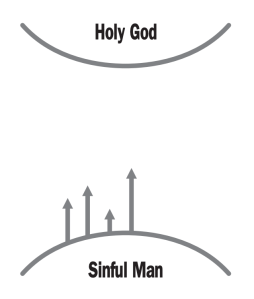 The Bible says that only God is truly good. What this means is that God’s standard for goodness is perfect holiness and by this standard, He is the only one who is truly good.





 The Lowedown